The Sandretto Re Rebaudengo Foundation on the island of San Giacomo will be closed from August 1 through August 31. From September 1 through September 12, visits in San Giacomo will be available only by booking a guided tour. The exhibitions will close on September 12th and the program will resume in 2027.
Guided tours for organized groups
Guided tours for organized groups (minimum 10 and maximum 25 participants) can be booked by writing to venezia@fsrr.org
Reservations must be made at least ten days in advance; your preferred date may not be available.
Opening hours are from 10:00 a.m. to 4:00 p.m. (last admission).
Prices:
– Admission and guided tour in Italian: €350
– Admission and guided tour in English: €400
Time spent on the island is limited to the duration of the guided tour (90 minutes).
PRACTICAL INFORMATION
At present, San Giacomo Island is not served by public transportation; therefore, transportation to and from the island must be arranged and paid for by visitors. On days open for self-guided visits, landing on the island is permitted, but mooring private boats is not allowed.
There are currently no bar or cloakroom facilities available on the island.
Please be advised that, starting September 12, when the exhibitions close, San Giacomo Island will no longer be accessible.
Works from the Sandretto Re Rebaudengo Collection
Island of San Giacomo, Polveriera OVEST
May 7 – September 12, 2026
Artists: Michael Armitage, Lucas Arruda, Christine Ay Tjoe, Matthew Barney, Cecily Brown, Glenn Brown, Justin Caguiat, Maurizio Cattelan, Ian Cheng, Marcus Cope, Berlinde De Bruyckere, Trisha Donnelly, Jana Euler, Sasha Gordon, Klára Hosnedlová, Sanya Kantarovsky, Anish Kapoor, Josh Kline, Sarah Lucas, Victor Man, Danielle McKinney, Brandon Morris, Antonio Obá, Albert Oehlen, Toyin Ojih Odutola, Eva Helene Pade, Jem Perucchini, Walter Price, Enrico David, Mohammed Sami, Thomas Schütte, Avery Singer, Pol Taburet, Andra Ursuța, Adrián Villar Rojas, David Patrick Walsh, Joseph Yaeger, Lynette Yiadom-Boakye.
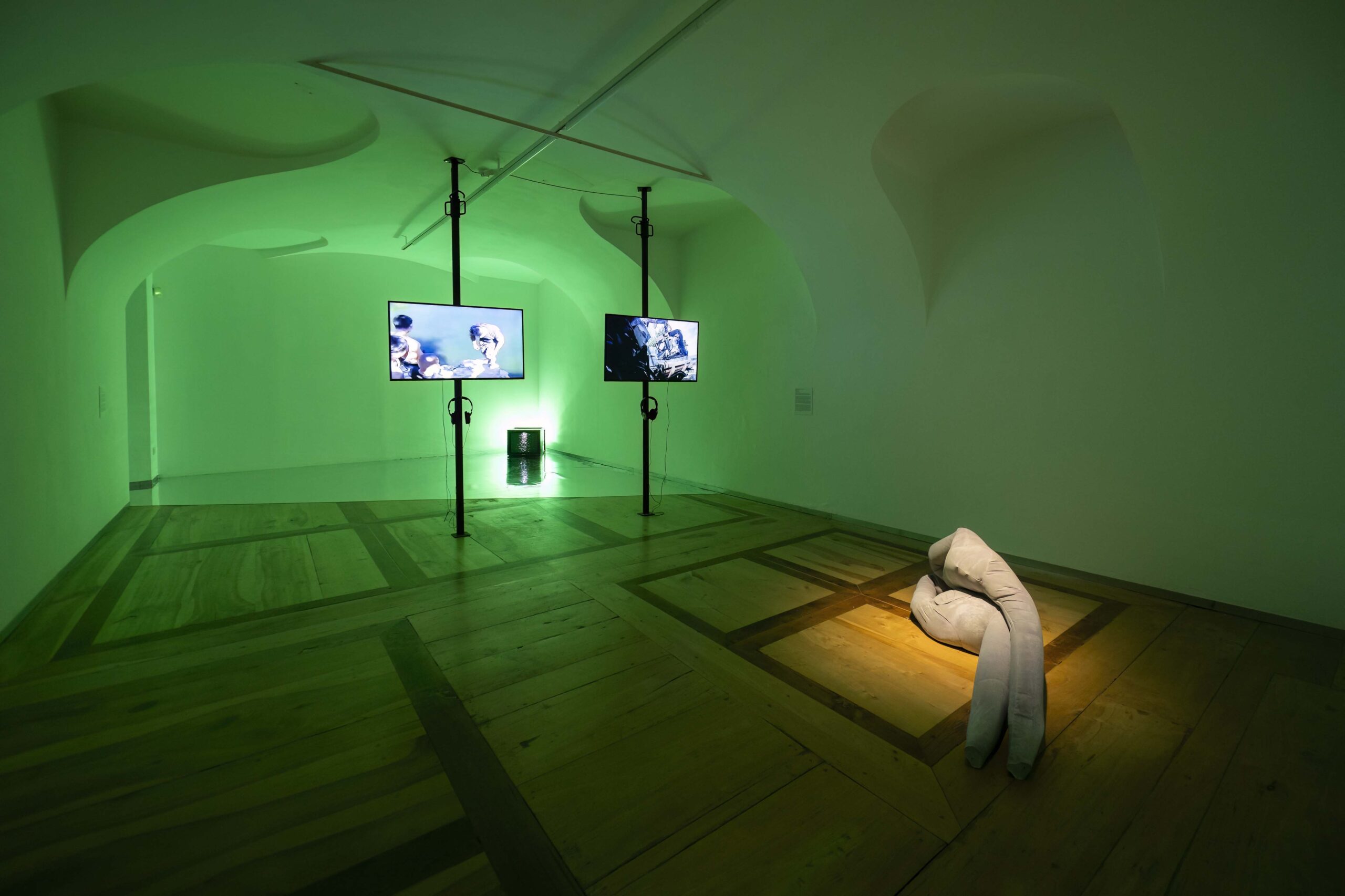
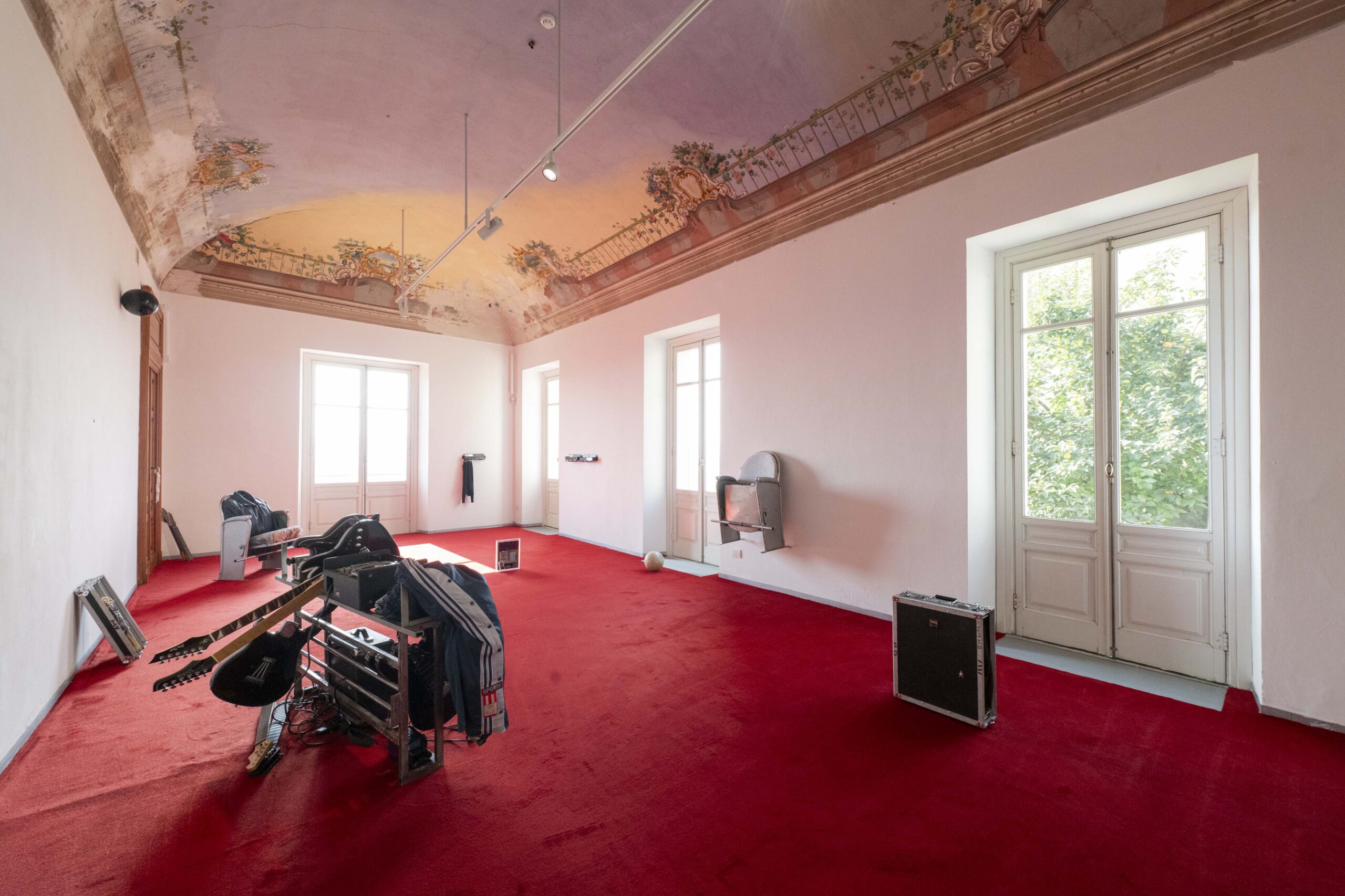
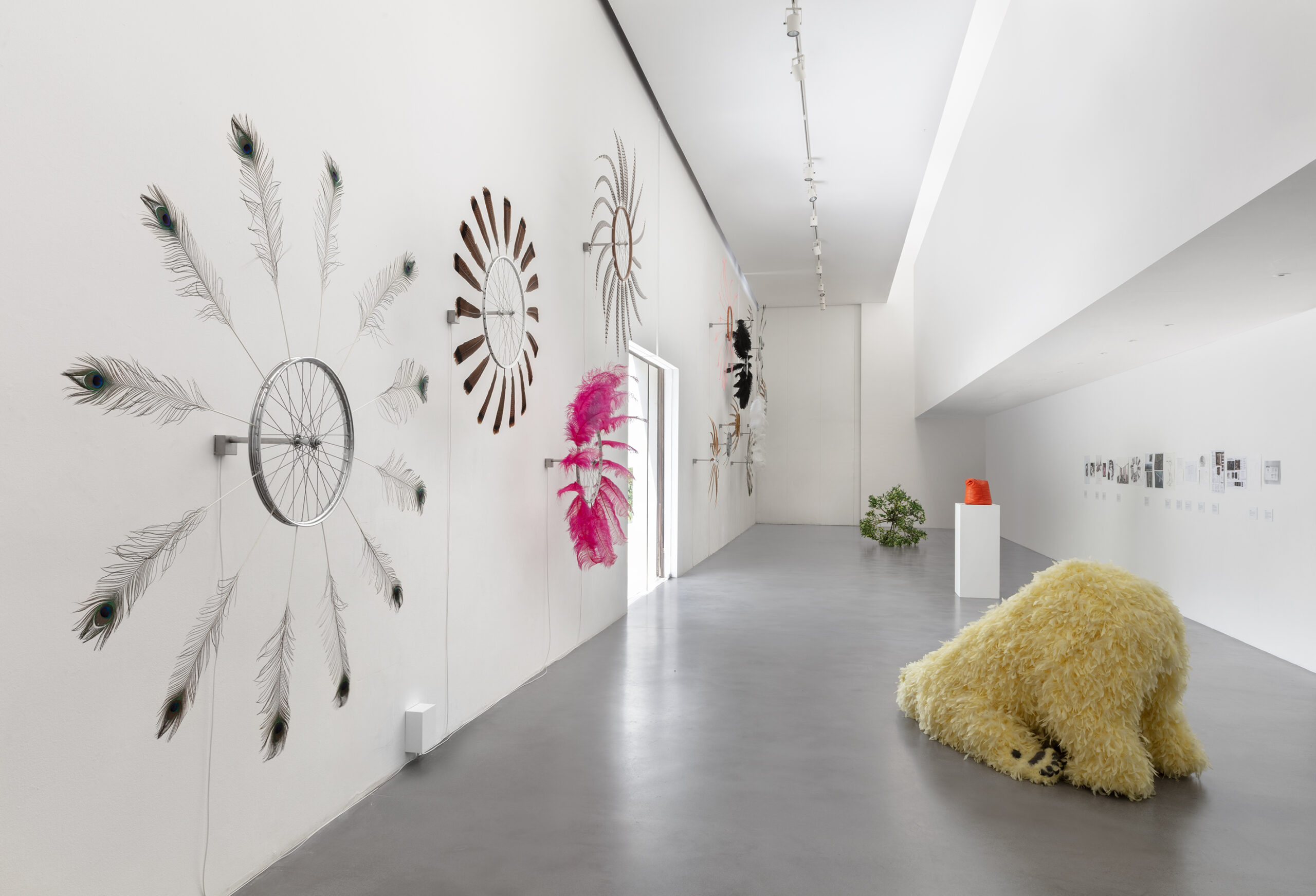
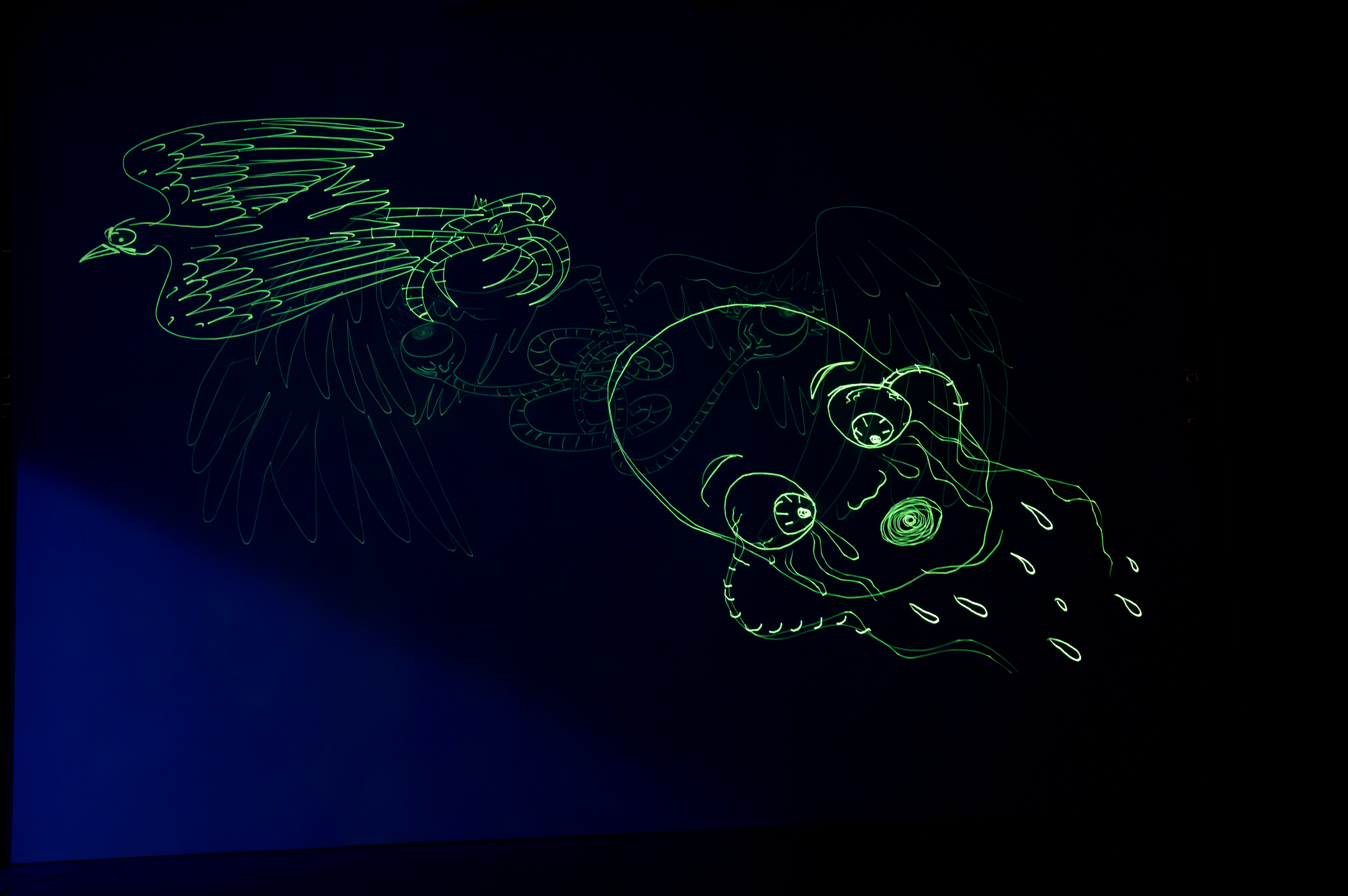
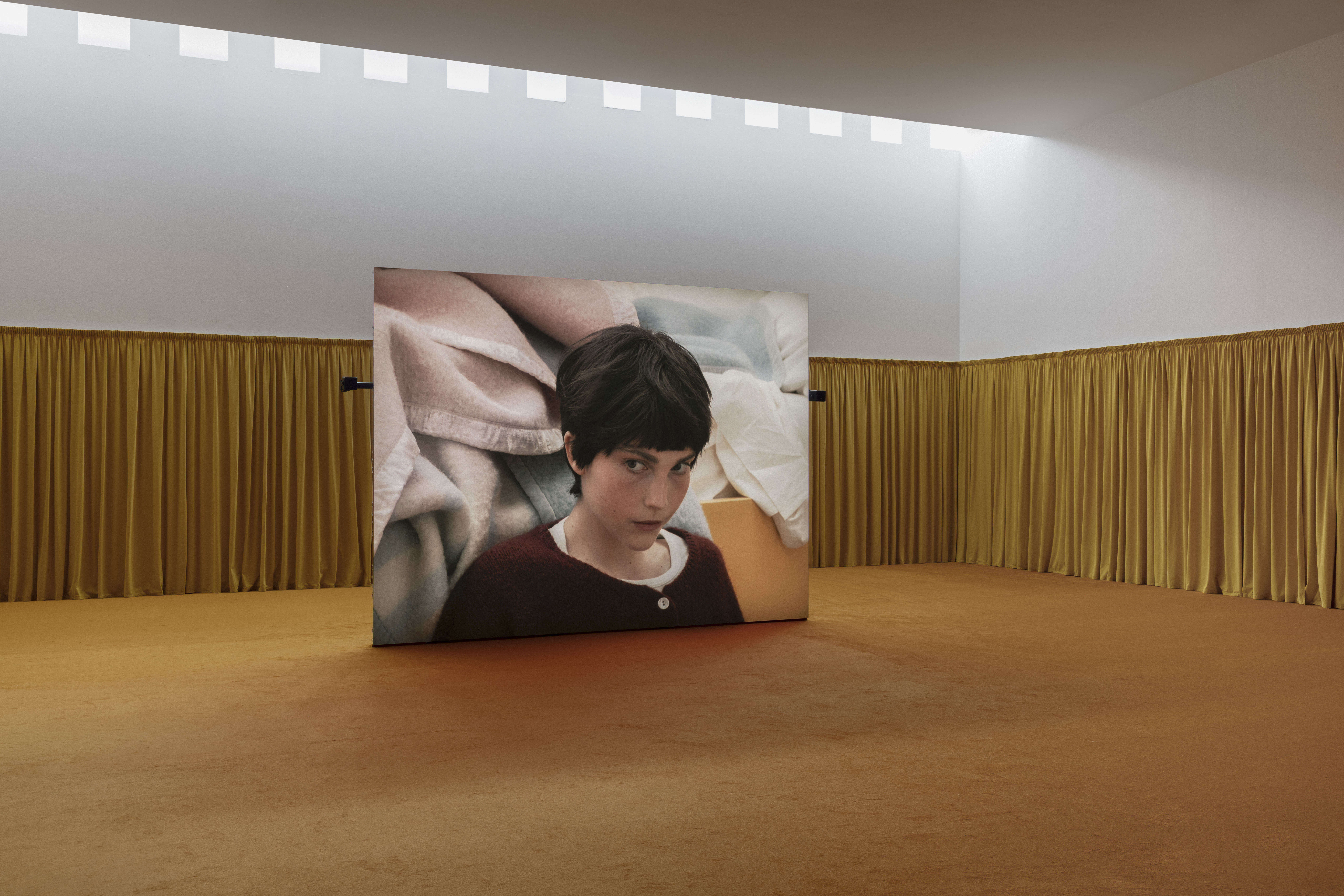
The Fondazione Sandretto Re Rebaudengo inaugurates its third venue on the Island of San Giacomo in Venice with an exhibition bringing together works from its collection. The title, Don’t have hope, be hope!, drawn from a 2024 painting by Walter Price, invites visitors to connect the exhibition path with the island’s new identity: a former military outpost reimagined as an artistic, cultural, and ecological one.
Installed in the Polveriera OVEST (West Powder Magazine), the exhibition unfolds across four sections, each presenting a constellation of works that bring different generations and languages into dialogue. Paintings by Cecily Brown, Justin Caguiat, Christine Ay Tjoe, and Lucas Arruda interact with sculptures by Anish Kapoor and Andra Ursuța; works by Michael Armitage, Albert Oehlen, and Walter Price explore painting as a dialectical and imaginative space.
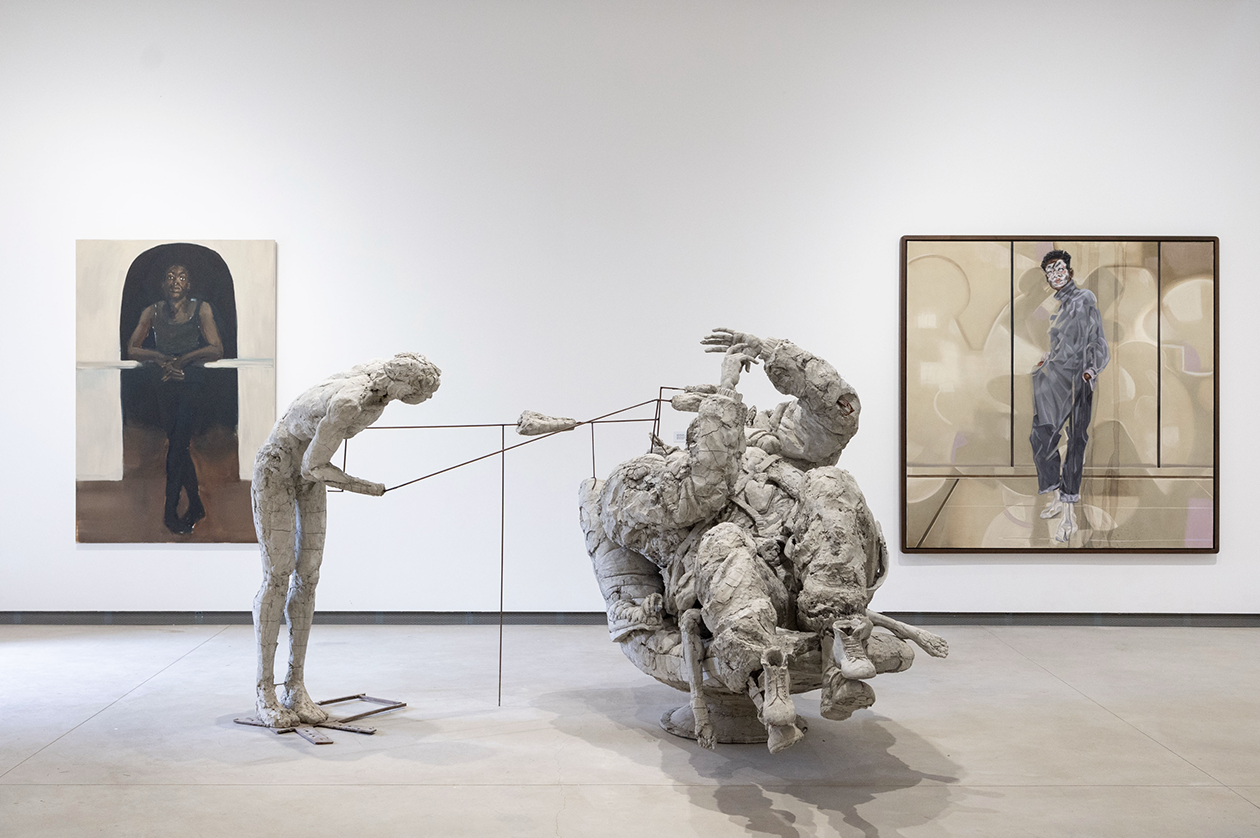
Along the exhibition path, suspended figures, interior landscapes, and fragmented narratives emerge: from the enigmatic atmospheres of Victor Man and Danielle McKinney to the vulnerable bodies of Berlinde De Bruyckere and Sarah Lucas. Moving between intimacy and political dimension, the works evoke states of fragility, transformation, and resistance.
The reflection expands further through works by Ian Cheng, Josh Kline, and Avery Singer, which explore the technological and social implications of the present, questioning notions of identity, labor, and reality. The often sharp irony of artists such as Matthew Barney and Maurizio Cattelan introduces a critical dimension into the exhibition.
The exhibition concludes with a group of works investigating the theme of the body and its representation: the organic world intertwines with the symbolic sphere in works by Lynette Yiadom-Boakye, Toyin Ojih Odutola, and Antonio Obá, as well as in sculptures by Enrico David and Adrián Villar Rojas.
Don’t have hope, be hope! is both a presentation of the collection and a device for reflecting on our time. Through the voices of the artists, it proposes a vision in which hope is not an abstract concept but an embodied practice—fragile and yet necessary.