What about us
Italian Art from the Young Curators Residency Programme
Artists: Vanessa Alessi, Alterazioni Video, Yuri Ancarani, Rosa Barba, Elisabetta Benassi, Benni Bosetto, Chiara Camoni, Ludovica Carbotta, Manuele Cerutti, Giulia Crispiani, Tomaso De Luca, Binta Diaw, Sara Enrico, Alessandra Ferrini, Benedetta Fioravanti, Claire Fontaine, Valentina Furian, Lorenza Longhi, Diego Marcon, Eva Marisaldi, Liliana Moro, Marinella Senatore, Alessandra Spranzi
Curated by Michele Bertolino
Palazzo Re Rebaudengo Piazza Roma 1, Guarene (CN), Italy
26 September 2026 – 8 November
To mark the twentieth anniversary of the Young Curators Residency Programme (YCRP), Fondazione Sandretto Re Rebaudengo presents a major group exhibition alongside an international symposium. Since its inception, the programme has pursued a dual mission: to offer emerging international curators—selected by an international jury from the alumni of leading curatorial studies programmes—a unique opportunity to engage with Italy's contemporary art scene, while creating meaningful occasions for Italian artists to connect with curators from around the world, fostering relationships that extend far beyond the residency itself.
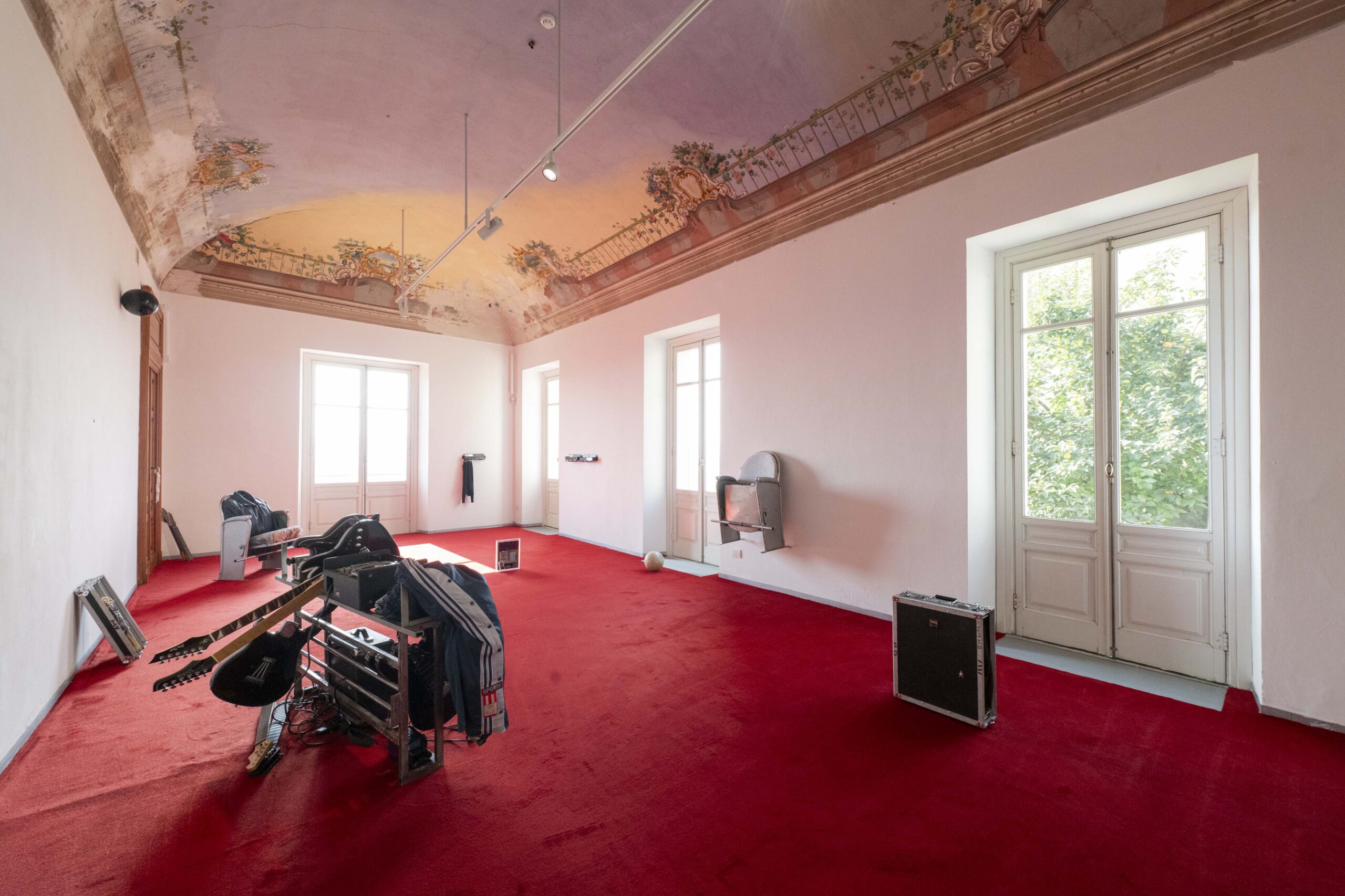
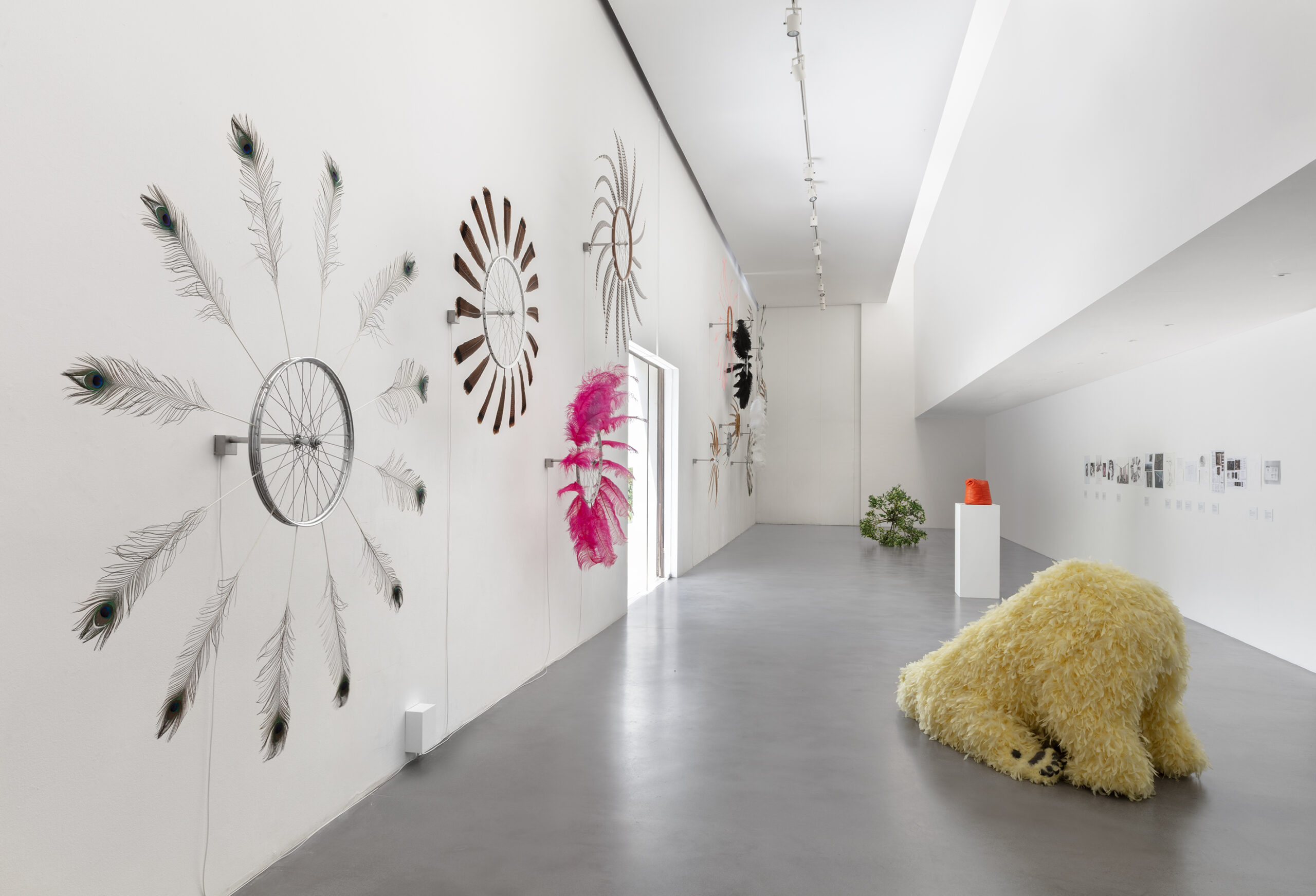
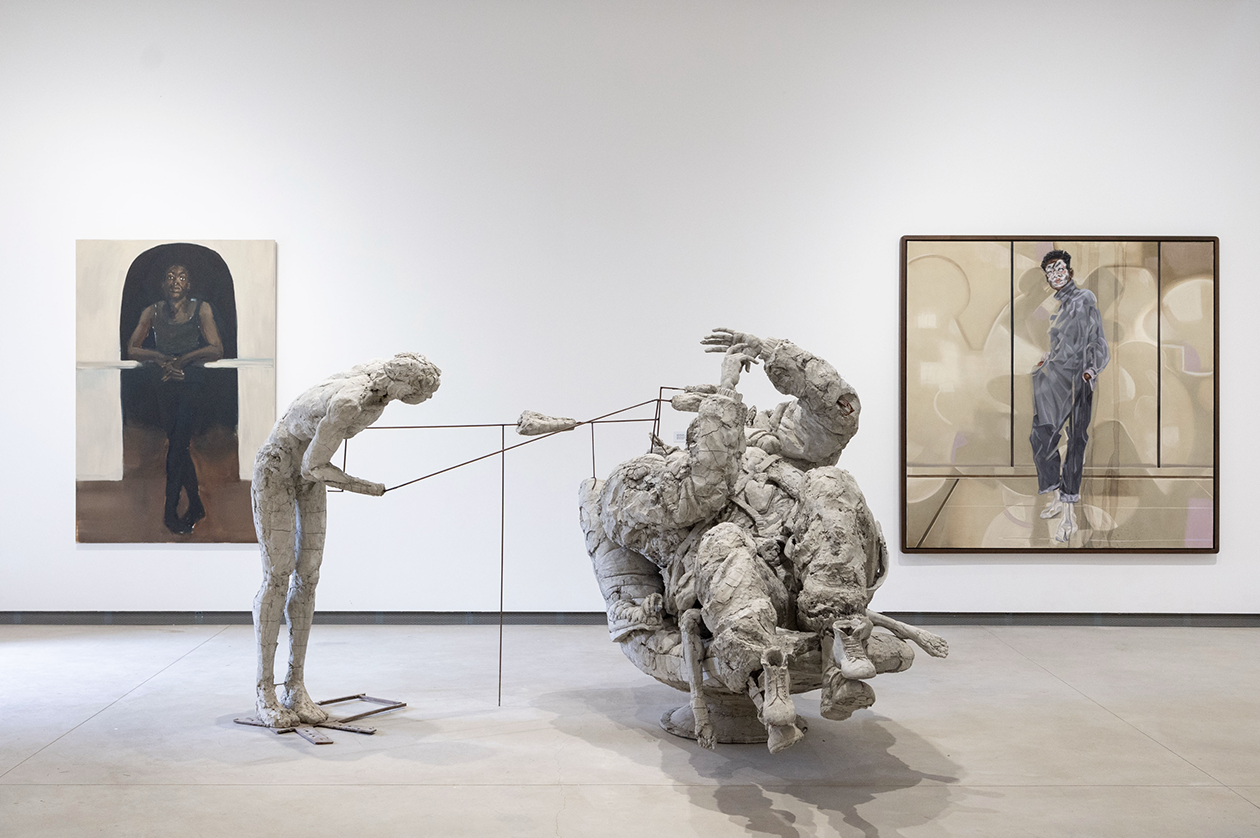
Since 2007, the YCRP has welcomed nearly sixty international curators and introduced the work of more than two hundred Italian artists, many of whom exhibited in a contemporary art institution for the first time through the programme. Each edition has offered a distinctive reading of Italian contemporary art, shaped by the interests, sensibilities and concerns of its resident curators. Taken together, these exhibitions now form a rich and layered archive of perspectives—one that traces not only the evolution of Italian art over the past two decades, but also the changing questions through which it has been approached. Curated by Michele Bertolino, YCRP coordinator since 2022, What about us revisits this archive, reactivating its legacy by bringing together artworks originally presented in previous residency exhibitions. The project deliberately avoids a chronological survey. Instead, it draws unexpected connections, foregrounding echoes, recurrences and enduring concerns across time. The exhibition is grounded in an exploration of temporality—not only as a recurring subject within the works themselves, but also as the lens through which the history of the YCRP can be reconsidered. What about us unfolds across multiple temporalities: historical time, shaped by global events and forgotten narratives; intimate time, composed of memories and expectations that disrupt linear chronology; the fleeting, irretrievable moment of lived experience; and the temporal structures that artistic practices dismantle, rewrite and reimagine, opening new ways of inhabiting the present.
The works of Alessandra Ferrini, Alterazioni Video, Claire Fontaine and Vanessa Alessi investigate history and its omissions through specific geographical contexts—from Radio Ghetto in Rosarno to the 2001 G8 protests in Genoa and the life of Giuseppe Pinelli—questioning the mechanisms of memory and collective erasure. Yuri Ancarani, Rosa Barba and Ludovica Carbotta approach time as a narrative device, where repetitive gestures, dystopian scenarios and archaeological discoveries become scores that reshape our perception of duration.
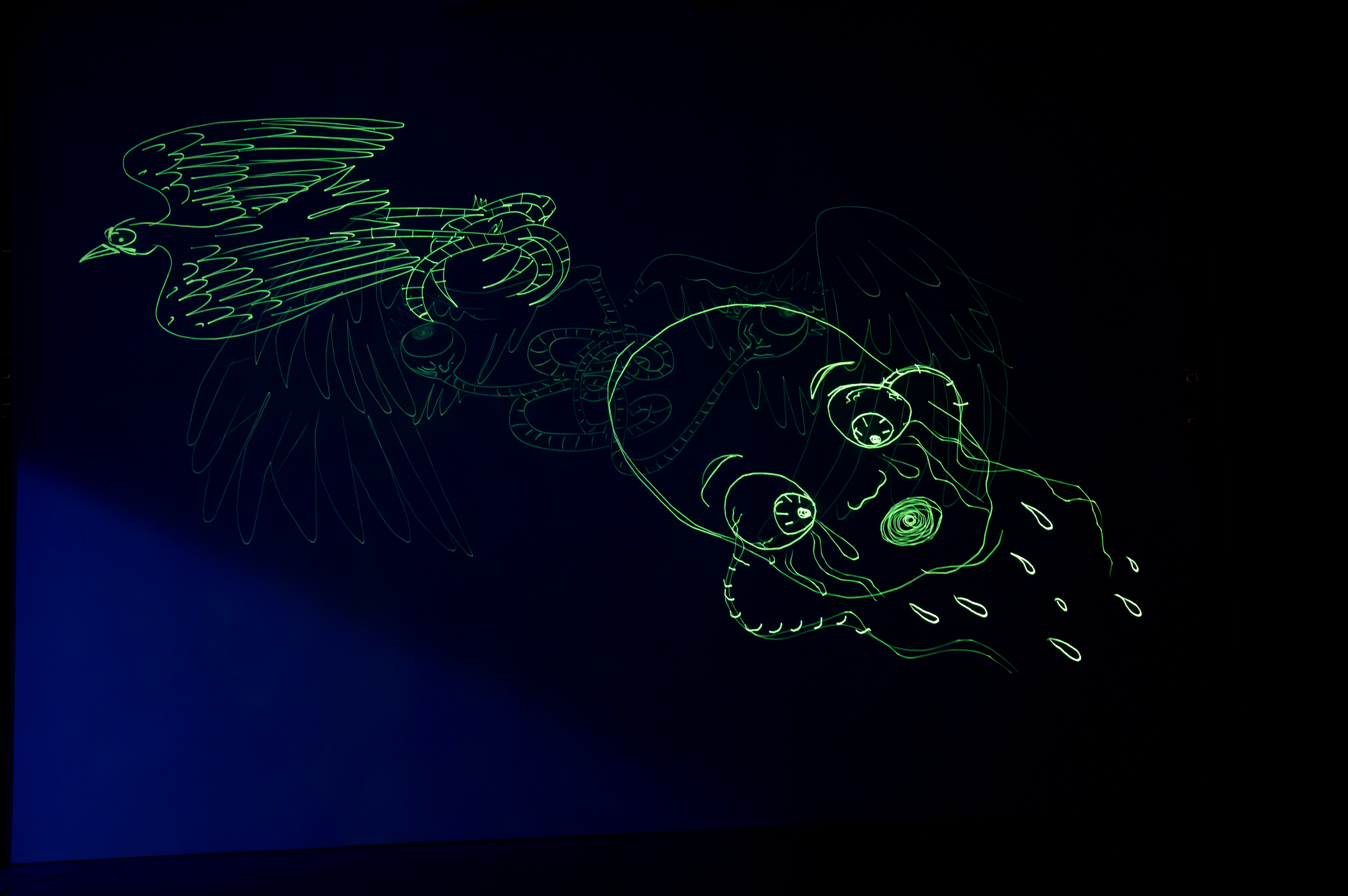
Valentina Furian's video, Sara Enrico's sculptures and Elisabetta Benassi's photographs suspend time within a magnetic loop of exhausted bodies, endlessly recurring images and ravens repeating the words "never again." A slower, more vulnerable temporality emerges in the works of Chiara Camoni, Manuele Cerutti and Binta Diaw, whose practices embrace intimate and confessional dimensions while also carrying the traces of collective trauma. Benedetta Fioravanti's found-footage films and Lorenza Longhi's reconstructed canvases likewise fragment and recombine time into new configurations. For Tomaso De Luca, Diego Marcon, Eva Marisaldi, Liliana Moro and Marinella Senatore, time is evoked through objects that bear the traces of human presence or summon the ghosts of absent bodies. Often imbued with an almost cinematic sensibility, their works construct suspended spaces of anticipation. In Giulia Crispiani's work, waiting—for something that has already happened or is yet to happen—becomes a condition of possibility.
In What about us, time ceases to function as a neutral measure and instead becomes a material that can be moulded: fragile and delicate, yet equally stubborn and resistant. It is something to which we must continually return, because every act of rereading creates the conditions for imagining different futures. Interwoven throughout the exhibition, a series of archival displays retraces the history of the Young Curators Residency Programme through photographs, catalogues and documents from its first twenty years. Rather than presenting a seamless chronology, these fragmented and deliberately discontinuous timelines reveal how the programme has gradually built an archive of perspectives. They remind us that every edition emerged from a situated point of view and that, together, these distinct readings have shaped an open-ended and continually evolving narrative of contemporary Italian art.