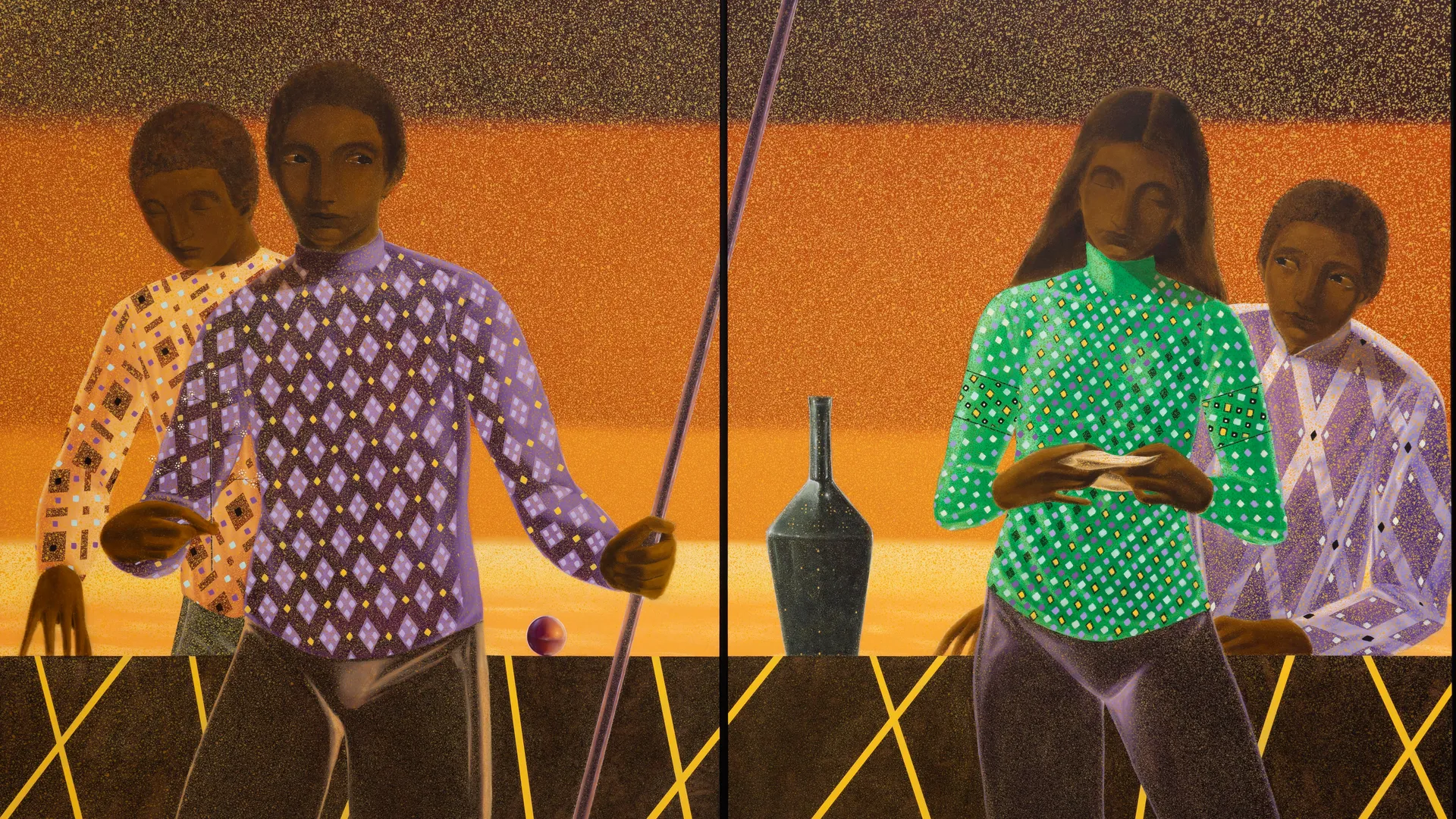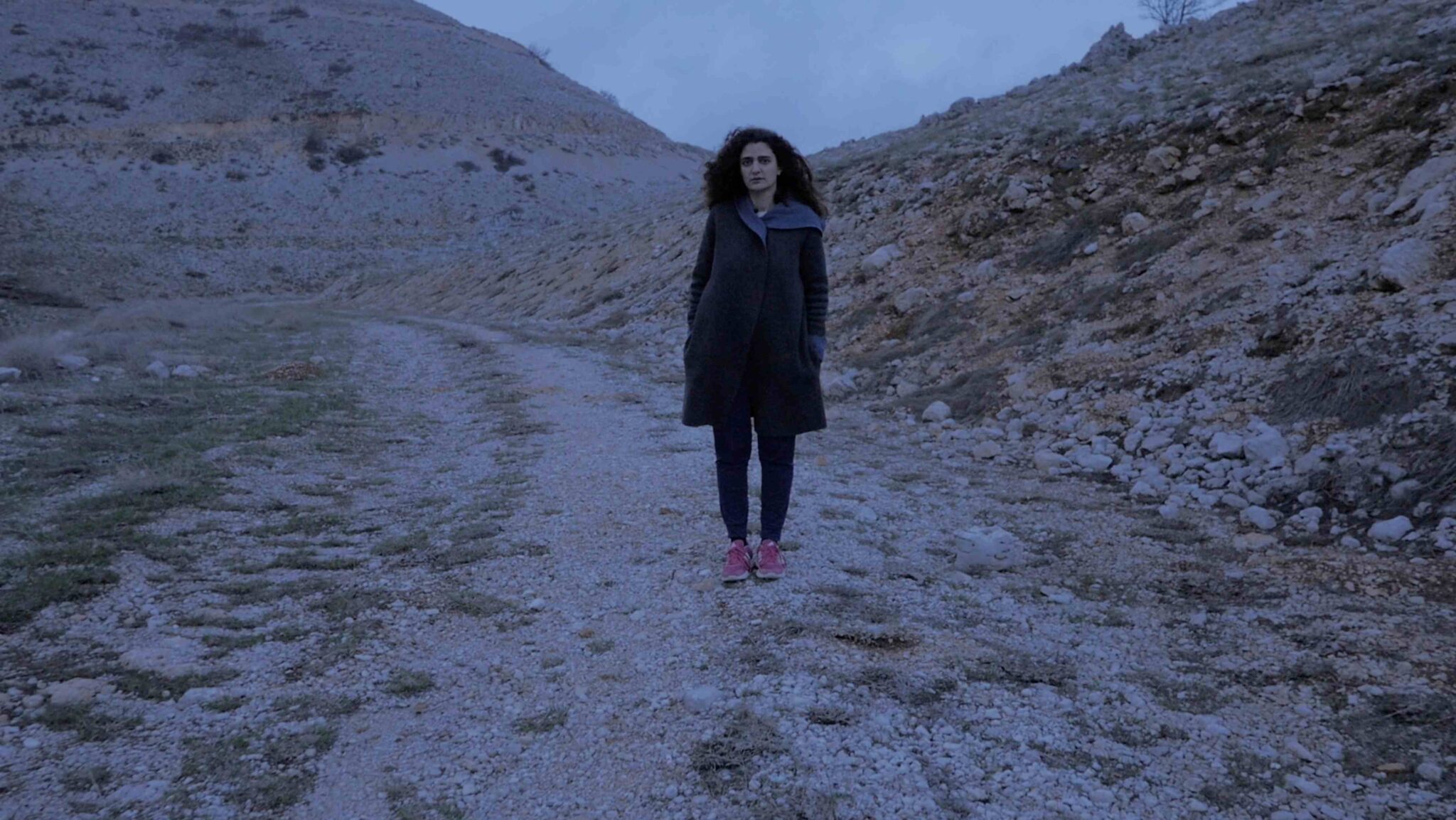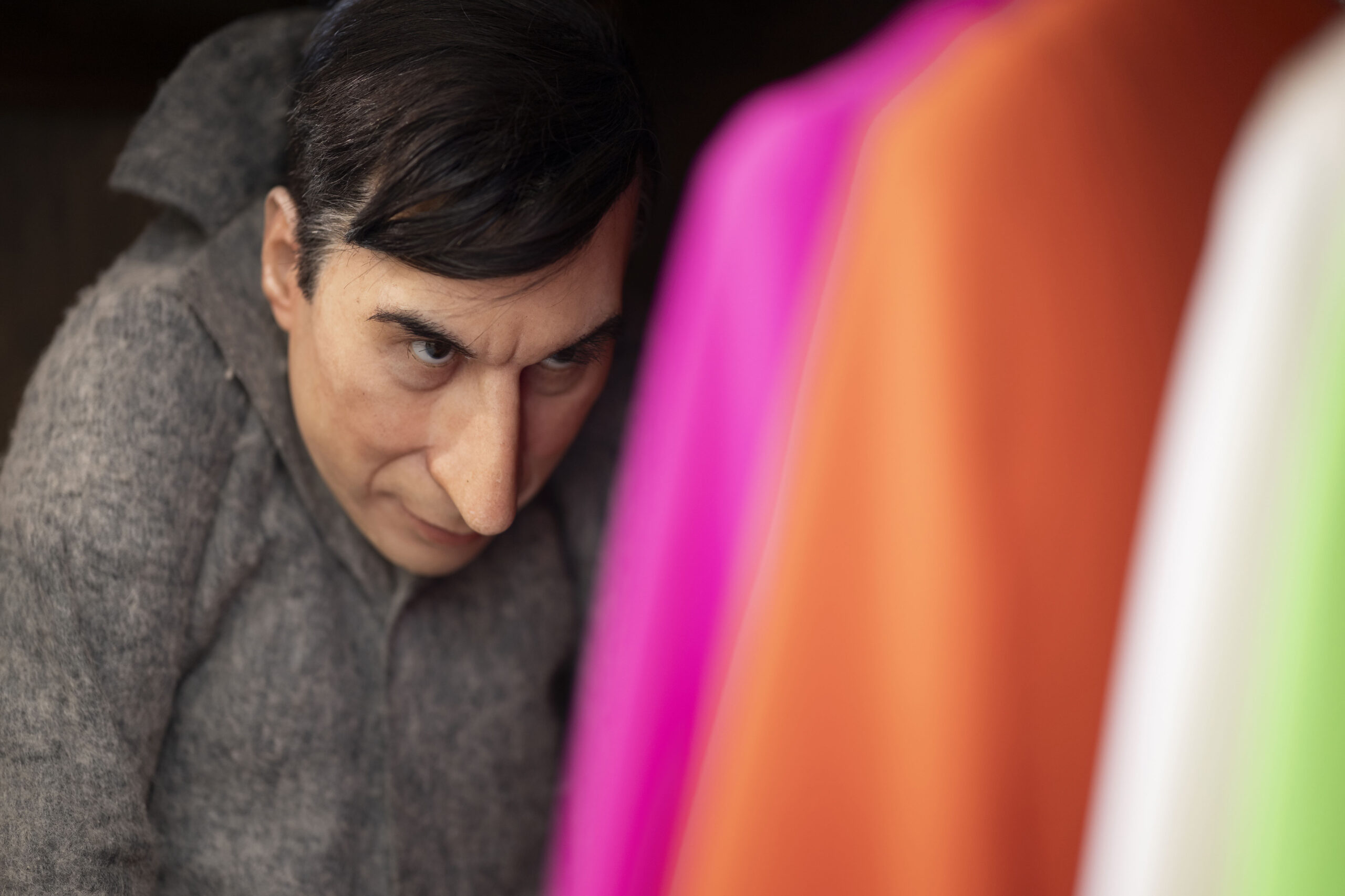
Artists: Matthew Barney, Angela Bulloch + Liam Gillick, Maurizio Cattelan, Mark Dion, Sylvie Fleury, Ja’Tovia Gary, Anna Gaskell, Liam Gillick, Nan Goldin, Dominique Gonzalez-Foerster, Douglas Gordon, Carsten Höller, Karen Kilimnik, Ayoung Kim, Marko Lehanka, Sarah Lucas, Julian Opie, The Propeller Group, Tobias Rehberger, Muntean/Rosenblum, Philippe Parreno, Ho Tzu Nyen, Piotr Uklanski, Gillian Wearing, Li Wei, Rachel Whiteread, Bruno Zanichelli.
“In those days it was always a celebration. It was enough to leave the house and cross the street to become almost mad with excitement, and everything was so beautiful, especially at night, that even when they returned utterly exhausted, they still hoped that something would happen…”
La Bella Estate, Cesare Pavese
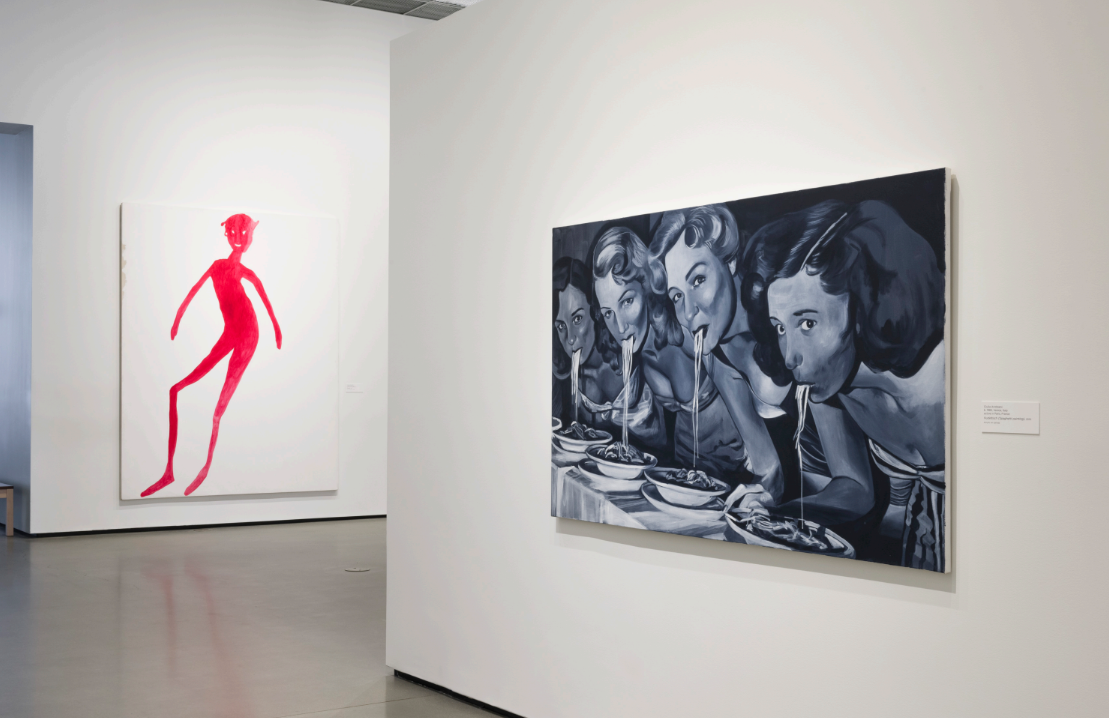
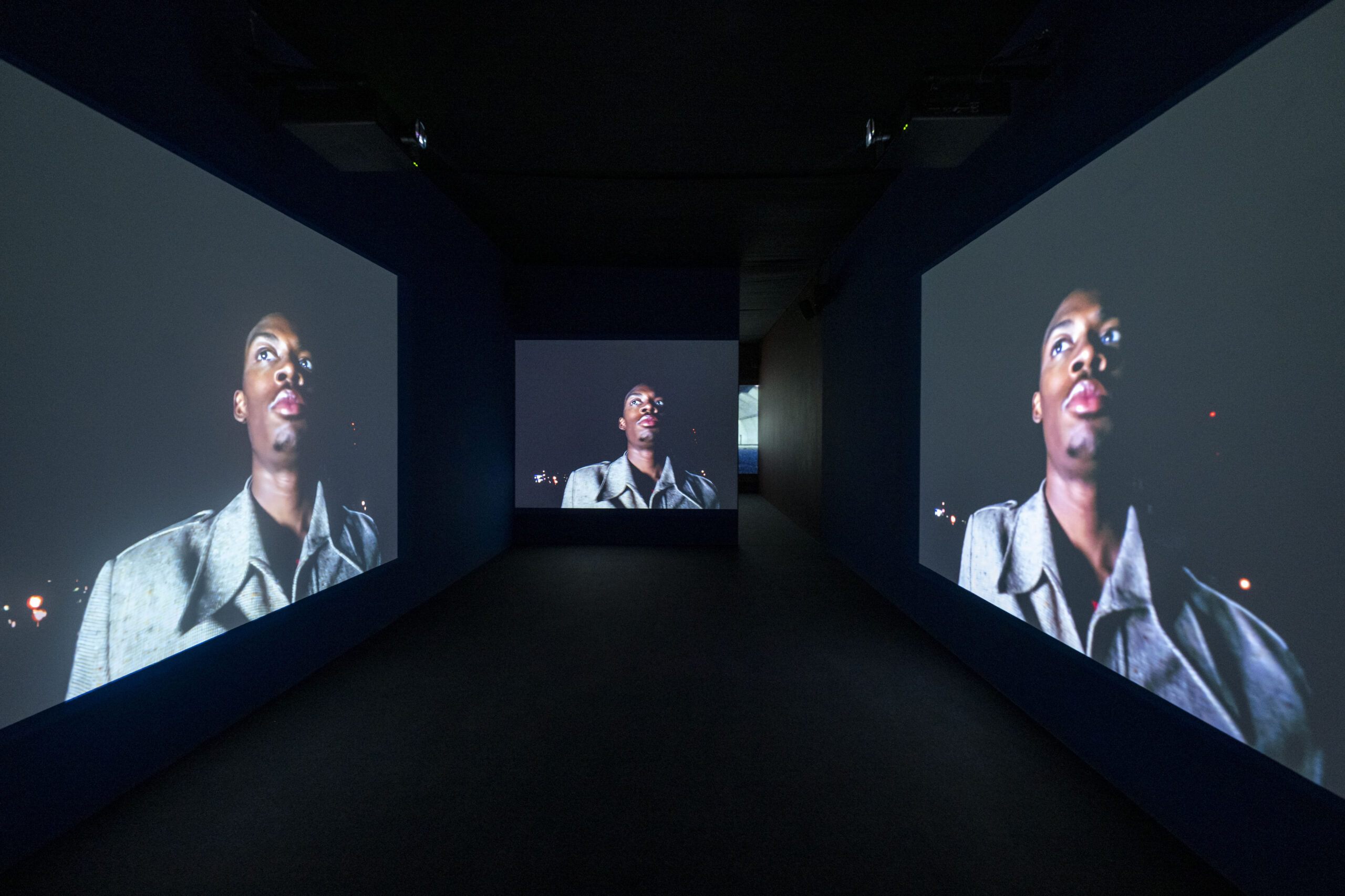
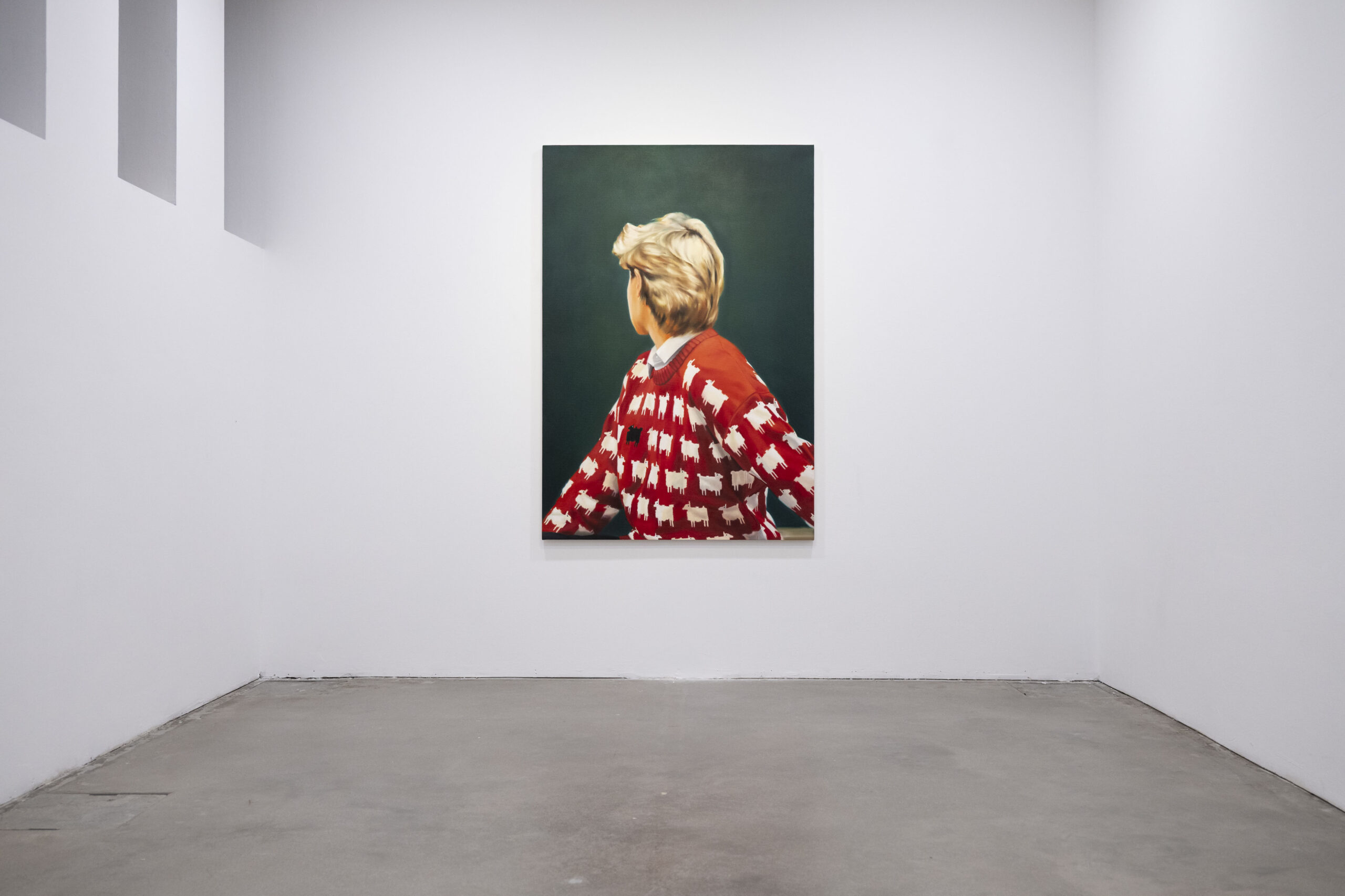
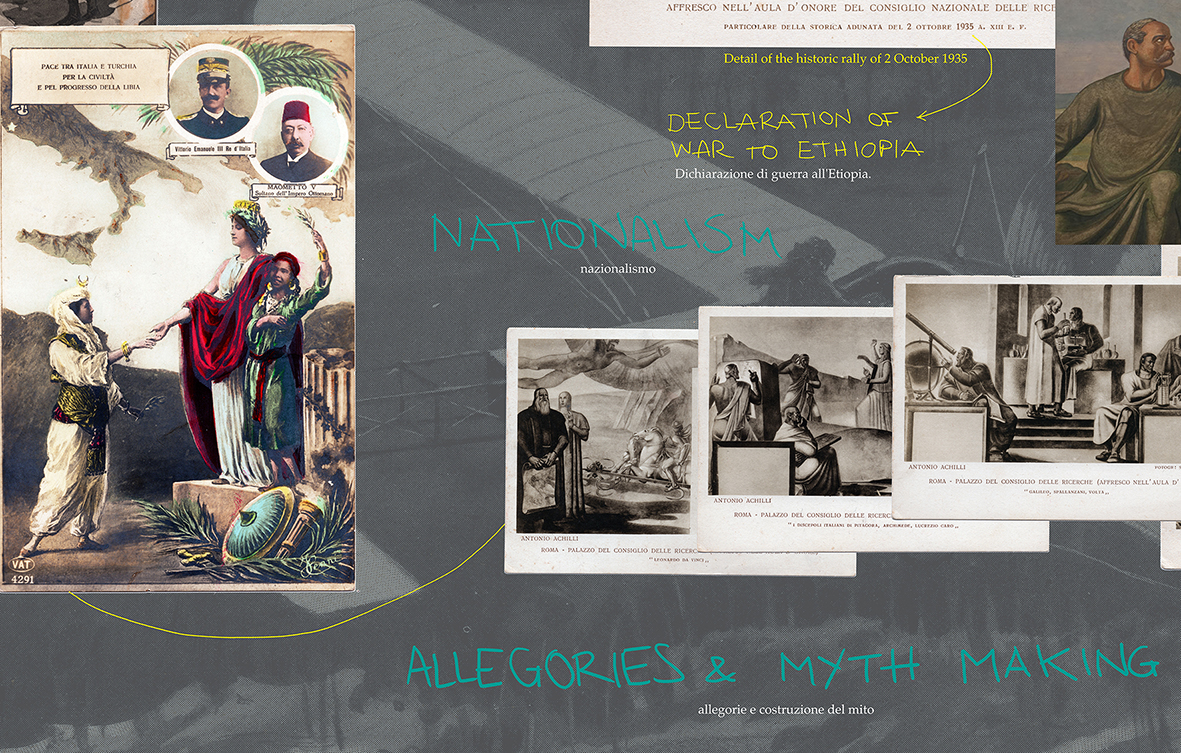
On the occasion of the 30th anniversary of the Sandretto Re Rebaudengo Foundation, the exhibition La Bella Estate, curated by Tom Eccles, Liam Gillick and Mark Rappolt at Palazzo Re Rebaudengo (Guarene), seeks to capture the frenzy of the 1990s, the first and formative decade of the Sandretto Re Rebaudengo Collection. The exhibition weaves together three narrative threads: the history of the collection and its origins; the trajectories of influence and dialogue embodied by the individual works; and a more personal narrative of Patrizia Sandretto Re Rebaudengo and her family, and how her private passion evolved into a space for public discourse.
Featuring works by nearly thirty artists, La Bella Estate imagines a space in transition: a historic family residence—Palazzo Re Rebaudengo—that reflects both the rethinking of its lower floors as a series of contemporary galleries, dating back to the mid-1990s and designed by architects Corrado Levi, Alessandra Raso, and Alberto Rolla, and the original seventeenth-century palace; at once private and public; simultaneously rooted in the past and situated in the present. Within the walls of the Palazzo, La Bella Estate evokes a space of invention and creation, one that is both fictional and factual, repopulated through art, artifacts, and ephemeral objects. These suggest a period of relentless experimentation that took place just before the globalization of the art world—a world in which the patron and philanthropist Patrizia Sandretto Re Rebaudengo would later become a leading figure—and at the same time hint at the ways in which that period anticipated the globalized world we inhabit today. While the exhibition celebrates the works of artists collected during the formative decade of the 1990s, it also looks toward the future, examining the ways in which the ideas contained in those works continue to “walk on,” like an endless summer, through other works that have been directly influenced by the collection or that have taken up and carried forward the ideas explored within it. Like the collection itself, these “reverberations” travel across time and space, including, for example, works by Julian Opie shown alongside a video by Ayoung Kim, or the dialogue between works by Philippe Parreno and Ho Tzu Nyen, underscoring how discourse, debate, and conversation are the driving forces of the collection as a whole.
At the same time, through the use of photographs, archival materials, period furniture, and more broadly the scenography of the Palazzo, the curators recount the story of Patrizia Sandretto Re Rebaudengo’s engagement with contemporary art and the development of what is now one of the most important collections in Europe.
The exhibition is funded through a public call for proposals for cultural and social regeneration projects in small historic villages, financed under the PNRR, Mission 1 “Digitalisation, Innovation, Competitiveness and Culture,” Component 3 “Tourism and Culture 4.0” (M1C3), Measure 2 “Regeneration of small cultural sites, cultural, religious, and rural heritage,” Investment 2.1 “Attractiveness of Villages,” funded by the European Union – NextGenerationEU and managed by the Italian Ministry of Culture.